

In the good ‘ol days of 2014, when Tumblr was at its peak, this post would pass through my feed every few months:
He visits my town once a year.
He fills my mouth with kisses and nectar.
I spend all my money on him.
Who, girl, your man?
No, a mango.
Now the Tumblr kids have grown up, gotten adult jobs, and now it's circulating on our new favorite platform, Substack. The original poem is attributed to Amir Khusrow, written sometime in the 13th century.
The poem is a keh mukarni, five lines of dialogue with a twist at the end. "Keh" means "say" and "mukarni" means "denial." The riddles were typically conversations between two women, where one describes something and the other guesses wrong.
As the audience, you kinda know the twist is coming (the subversion is the whole point of the format), but it works anyway. You know a denial is coming, but you don't know it's a mango. Modern day shitposts run on the same idea, since you don't interact with a shitpost expecting sincerity, and the fun is finding out which direction this particular one will go. The keh mukarni is a shitpost, shitposts are the keh mukarni.

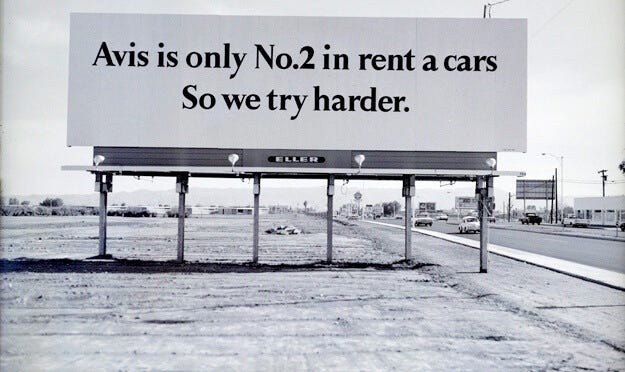
One example of this working in advertising is Avis in 1962. Everyone knew car rental ads were supposed to be kinda braggy, so when DDB's Paula Green wrote "When you're only No. 2, you try harder," it worked for them. They also didn't treat the line as a one-off thing. The self-deprecating No. 2 positioning became their brand platform, and the campaign ran for the next 50 years before it was finally retired in 2012.
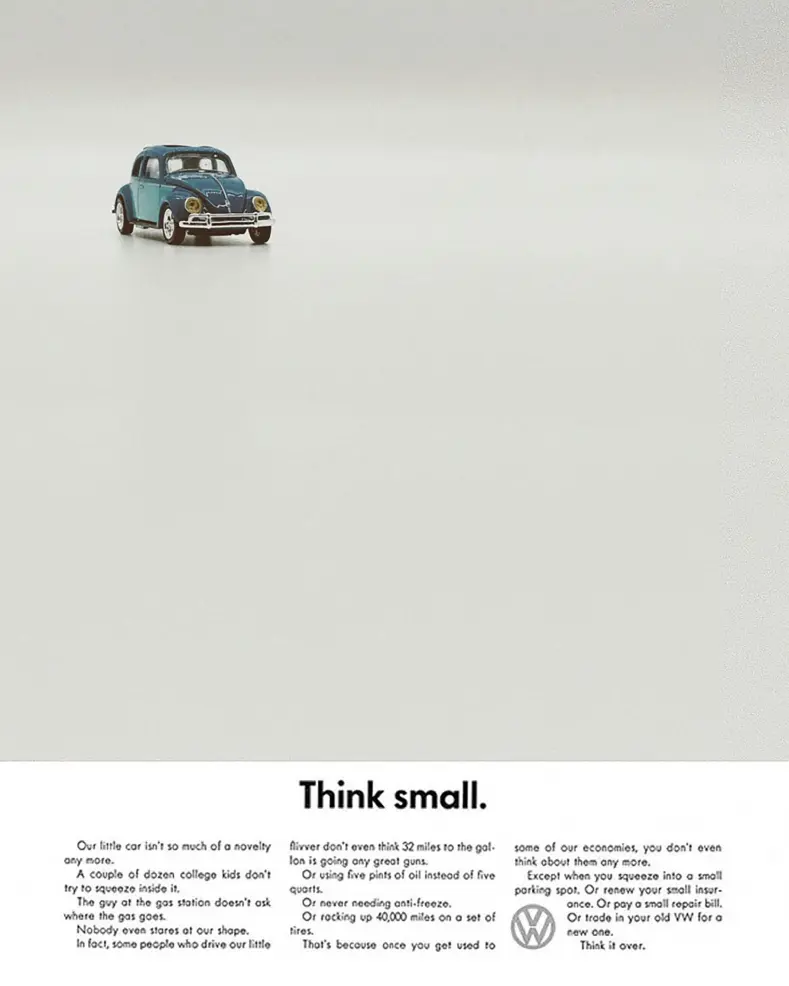
The same idea was used to create DDB's "Think Small" work for Volkswagen in 1961, which sold the Beetle to Americans. The creative admitted the car was small and, in one ad's words, kinda ugly.
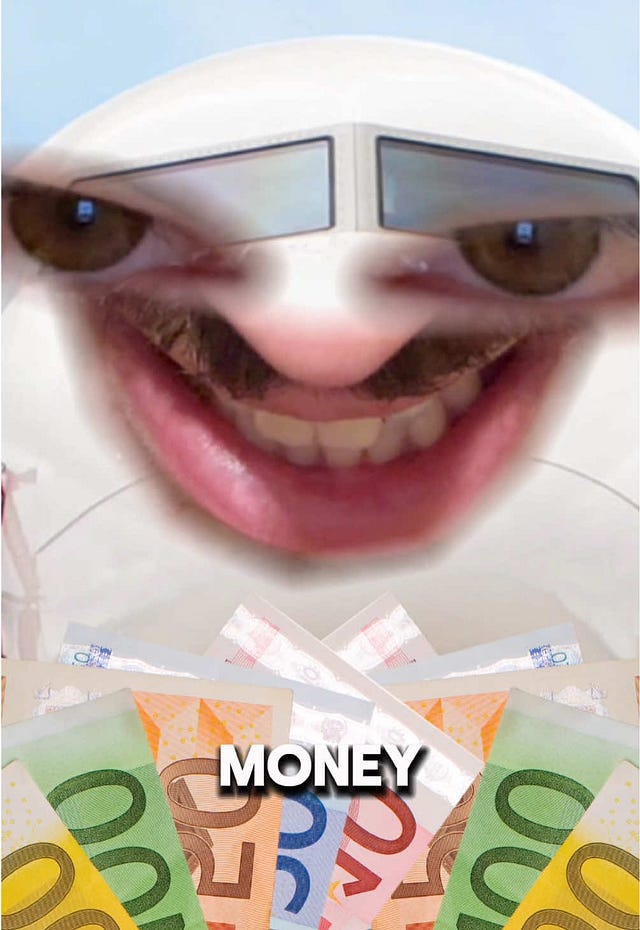
Ryanair's TikTok is the modern version of this. The channel actively mocks the bare-bones experience of flying on a Ryanair jet, the cramped seats, the bag fees, the experience just overall kind of being bad, and it has done this consistently.
 Tiktok failed to load.
Enable 3rd party cookies or use another browser
But man, these can go very bad. Self-deprecation only works if you're willing to make the joke the core of the brand rather than a costume you wear for one campaign, and if you keep the wrongness somewhat moderate. A brand that mocks itself once and then retreats back into polish reads as insincere, and a brand that pushes too weird just confuses people.
Which brings me back to the mango. The keh mukarni survived 700 years because it never abandoned its template. The audience knew a twist was coming, that was part of the fun. Khusrow understood that he was writing for people who had heard a hundred of these, he just had to keep coming up with new endings.
Xx, Caitlin
If you’re new here, I write a monthly serialized novel called Everything is Advertising, about a burned-out Creative Director and his cynical team that accidentally create QAnon through a viral marketing campaign. If you like that kind of thing, you can start at Part One and catch up from there.
Every Monday, Below the Fold talks through the stories behind the brands.
Every Friday, The Business of Advertising shares lessons from over a decade working on the front lines of advertising.
Love a good shitpost.