

My end goal was always to work in brand. I think that’s part of any creative agency team’s late night conversation. If we worked for the brand, we would get it. Things would be different, our problems would be solved.
So, eventually you go (I did). Thousands of people went, and with it came the trend of the “in-house agency” where a bunch of brands hired media buyers, copywriters, designers, producers, and strategists and built these in-house studios.
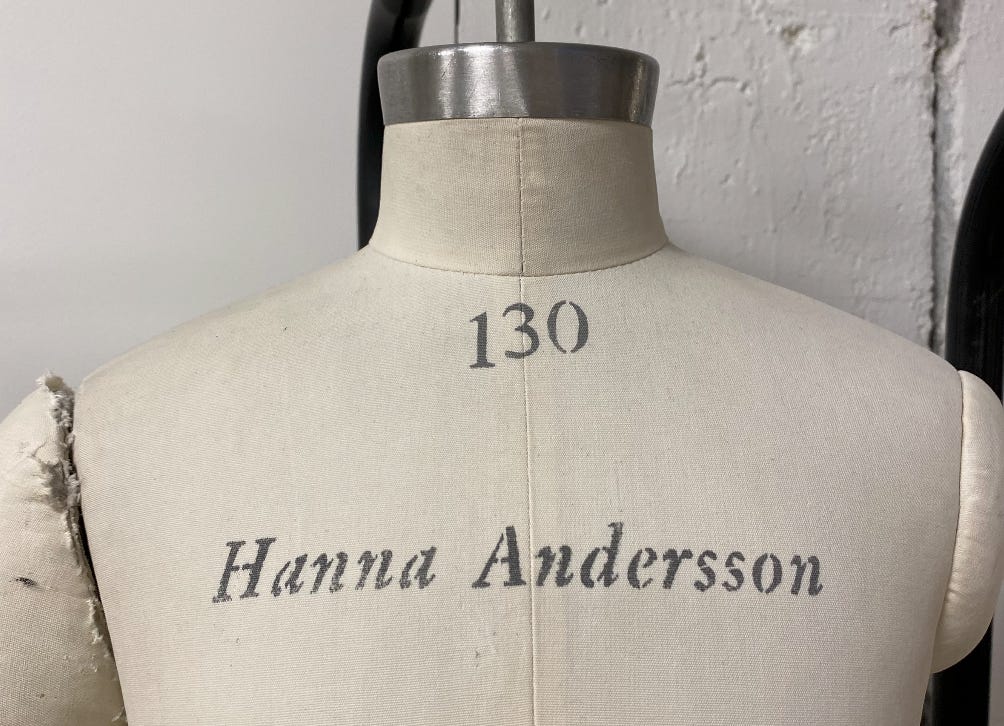
I was working at the kid’s clothing brand Hanna Andersson during part of this boom and saw them build out a full on internal studio, invest in brand content shoots, and spend real money on social to drive brand awareness. I got to do fun, creative work, and it made a ton of strategic sense.
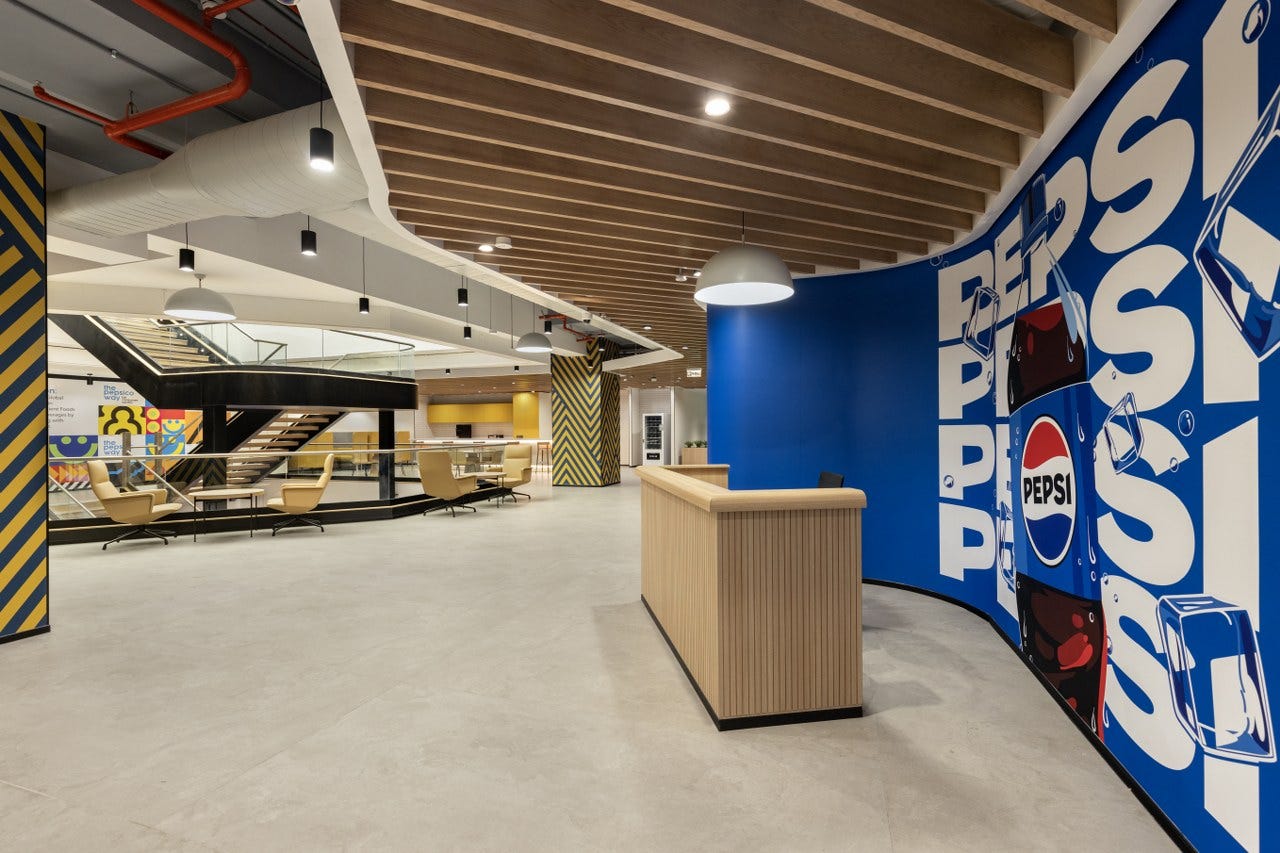
PepsiCo built an entire internal creative studio, Keurig Dr. Pepper did the same, so did dozens of mid-size brands. They wanted to create content that told stories and sold products.
Then, there was reality. What actually happened after all the creative fun and games.
We thought the in-house, brand-side thing was safe. Agencies were unstable, if you lost the client, you could lose your job. Brand-side was a different, but also scary. It was these weird “strategic realignment” calls where a new CMO announced that they’d be evaluating the current team.
PepsiCo ended up pushing parts of its internal studio into VaynerMedia, and Keurig Dr. Pepper killed their creative studio concept entirely. Hanna Andersson (I had left by then) reduced spending on brand awareness-style content.
Building an in-house agency (turns out) is very expensive. It’s a very easy line item to cut. In-house creatives were promised they'd make the work they always wanted to make, with no middleman. What they ended up with was 10 internal stakeholders with opinions and a revolving door of CMOs that each had their own new way of solving business problems.
It’s all bad, but it’s all creative. So maybe that makes it worth it? Nobody went brand-side because they hated advertising. They went because they hated what advertising was doing to them. Whoops.
Xx, Caitlin
If you’re new here, I write a monthly serialized novel called Everything is Advertising, about a burned-out Creative Director and his cynical team that accidentally create QAnon through a viral marketing campaign. If you like that kind of thing, you can start at Part One and catch up from there.
Every Monday, Below the Fold talks through the stories behind the brands.
Every Friday, The Business of Advertising shares lessons from over a decade working on the front lines of advertising.
You make a great point and I know great agency people who went brand side, and young people who entered brand side (remotely) right out of college. It was, perhaps, a beautiful dream. One sentence in particular struck me... "...someone three levels above you decided to prioritize performance marketing over brand." And that made me want to share my pov on this...
I was at Nike 1991-2003 and in those early, pre-internet days the world wasn't really talking about "brand" yet as in "branding" or "brand vision/strategy" as far as I can remember. Nike had an internal advertising department that was quite robust... but notice that I said "advertising department." They weren't even called "marketing." They're job was to brief and lead/guide/green-light the external agency/agencies who made commercials for the Nike brand... and back then that just meant product with a swoosh on it.
Full disclosure... I was just out of college back then (early 90s), and I wasn't in the ad department; I was in the film&video department where our job was to tell the seasonal stories (ahead of the ads people saw about those seasonal products) to internal audiences. But it was a time when Nike only had one VP and there were only about 5,000 employees at the corporate HQ in Oregon.
It wasn't until the early 2000s as the internet age dawned that the vernacular begin to shift. People began talking in terms of "the brand" and "brand strategy" and advertising became one tactic of many a company could use to articulate the brand... along with other touchpoints such as sales, PR, events, grassroots/digital efforts, investor relations, etc.
What I noticed later while at an agency (very briefly) and then later still as a consultant, is that agencies themselves also began to morph. They used to just make ads. Now they offered brand services, TV/internet entertainment, social media, live events, and more. No two were alike. Some posed as doing all this when in truth they were just one person, or small team somewhere, farming all that out to other agencies and/or freelancers.
Then big agencies started buying all the little agencies which helped little agencies survive the rollercoaster of success/failure... but also may have been, in part, what led to companies wanting to build their own in-house agencies. Because it was all so complicated and opaque and expensive. Meanwhile, a reality of business, whether you are an agency, a freelancer/consultant, or a company (big or small), you are almost always looking to trim overhead costs and get as much bang for your buck as possible.
But at the end of the day, no matter if you're dealing with an in-house agency set up or an external agency set up, there will always be people who think like marketing/agency people, and people who think like brand people.
Marketing people are doers. Brand people are strategists. It's my opinion that strategy should come before tactics. Because otherwise we're all just running around like chickens with our heads cut off and throwing a bunch of spaghetti against the wall.
Great creative work might be cool and creative, but "creative" is a subjective term and what is the measure of "great?" Helping to grow revenue? Impacting public opinion? Or winning at Cannes and/or having a great portfolio?
And God forbid if you think like a strategist but your boss is a marketing person. If that's your situation, I suggest moving on and finding a place where whatever your vision is about brand vs marketing aligns with that of the team you are on and whoever is leading it. Good luck to all!
p.s. I am Ashley@Briefly now... not sure what the old Substack profile is?