

I was born on a very small island, in a very small little town. Hagåtña, Guam.
Guam is a US territory. Which means that it’s part of the United States, but also, most people that I mention this fun fact to have never heard of this obscure island in Micronesia.
Here’s the relevant part: I’m an American citizen. I was born on Guam, and under US law, people born there are US citizens.
And yet, no one has ever asked me (not even once) if I’m “really” American. It’s not because everyone’s well-versed in US territories. It’s because I’m a white woman.
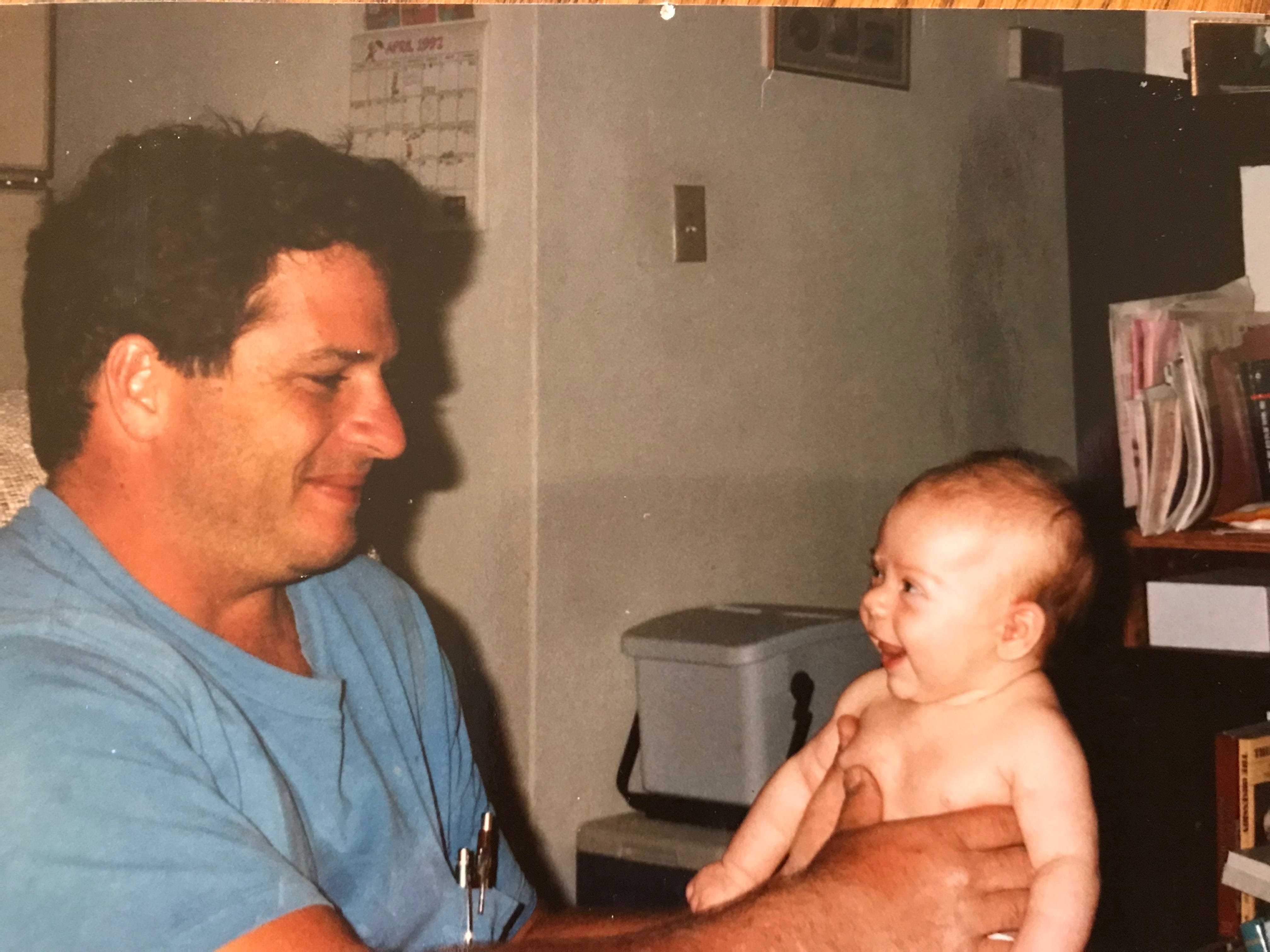
^ That’s me (on the right) circa 1992.
If you’re wondering how the United States ended up with Guam, it’s one of those classic US war-game-type situations. Guam ended up in the hands of the US after the Spanish-American War. It was significant because it’s in the Pacific and you can use it as a strategic defense in that area.
During World War 2, Guam was invaded and occupied by Japan and later retaken by the US, but it’s since remained a strategic defense that the US keeps in it’s back pocket.
–
But the US is weird about their territories, what they let them do, and how they treat their citizens.
Puerto Rico became a US territory in 1898. Puerto Ricans were granted U.S. citizenship by federal law in 1917.
So: Benito Antonio Martínez Ocasio is also an American citizen.
And yet, every time Bad Bunny reaches a new tier of cultural relevance, some dipshit on the internet asks if he’s “even American.”
It’s not that people don’t know Puerto Rico is connected to the US. It’s that, emotionally, they don’t want it to be. Or they only want it to be when it’s convenient for some kind of strategic military bullshit.
–
American Samoa is also a US territory, but it sits in a different legal bucket, so people who are born there are generally US nationals, not automatically US citizens, at birth.
It’s all semantics that make you realize how hard the US works to maintain a system where “belongs to us” and “belongs with us” are different things.
Tusli Gabbard was born in American Samoa and is a US citizen, she’s currently our US Director of National Intelligence, and an American citizen.
–
The citizenship question among folks from US territories is an old game. It’s a little test, a little gate, a way to say you can be famous here, but you still have to prove you belong.
I’ve never been asked to prove I’m an American. I am the kind of US-territory-born American that’s accepted as the default.
But, just so we’re clear:
I’m an American.
Bad Bunny is an American.
Tulsi Gabbard is an American.
The fact that we keep having to say this out loud tells you exactly what kind of country we are.
If you’re new here, I write a monthly serialized novel called Everything is Advertising, about a burned-out Creative Director and his cynical team that accidentally create QAnon through a viral marketing campaign. If you like that kind of thing, you can start at Part One and catch up from there.
Every Monday, Below the Fold talks through the stories behind the brands.
Every Friday, The Business of Advertising shares lessons from over a decade working on the front lines of advertising.
Well-said, Caitlin.
Race is such a wack-a-doodle construct. My maternal grandparents were often accused of not being Americans because they were Italian immigrants. My mom got the accusation because of her olive skin.
I present as 100% white. The irony is that I’m not, but not from my European side. My paternal lineage includes indigenous Huron. One close look at photos of my dad tells the story, in the shape of his eyes and bone structure, but because he was fair-skinned, few people noticed. Indigenous people, technically the most-Americans of all, are not considered American (by some), either.
The other US territories are the Northern Mariana Islands, and the US Virgin islands. People in US territories don't want to be part of the US.