

There are a lot of brands out there that nobody really thinks about. Insurance companies, tax software, tire brands. Brands with incredibly high brand awareness that you know for one thing (and one thing only).
These brands sit in an odd position, they have maximum trust, maximum awareness, and almost zero daily presence.
Marketing doesn't normally talk about these kinds of brands, because most of the time you have the exact opposite problem. A brand’s budget, media plan, content, and agency partners all exist to make an unknown brand known. But what happens after that step?
Once everyone knows your brand and knows it for a specific thing, suddenly you’re stuck. The question stops being “do people know us” and starts being “what do we mean to them?”
Creating Brand Meaning
Some brands live with consumers every day. Coffee (Starbucks), sneakers (Nike), navigation (Google Maps). Other brands live in a single moment, and you only visit them when a specific moment arrives.
That second kind of brand isn’t failing, but they are capped. They can’t grow beyond the single-moment frequency and typically won’t have a presence in wider culture. Nobody really chooses that association, it just sorta happens to them.
But some brands have solved this problem, and it’s worth looking at how they did it:
Dove
In 2004, Dove was a bar of soap sitting in a very packed aisle in the grocery store. They needed to find a way to differentiate themselves from hundreds of other options. To do that, they leaned into messaging and created the Dove Real Beauty platform. It focused on beauty standards for women and how nothing you saw in ads or in magazines was real. It gave the brand a true point of view and a clear platform that they still use today.
American Express
In 2010, American Express needed a way to better align itself with small businesses. To do that, they created a brand new shopping holiday that was the perfect response to the frenzy of Black Friday, they called it “Small Business Saturday.”
Eventually, the holiday stuck, and now you see small businesses and small towns promoting it each year.
Michelin
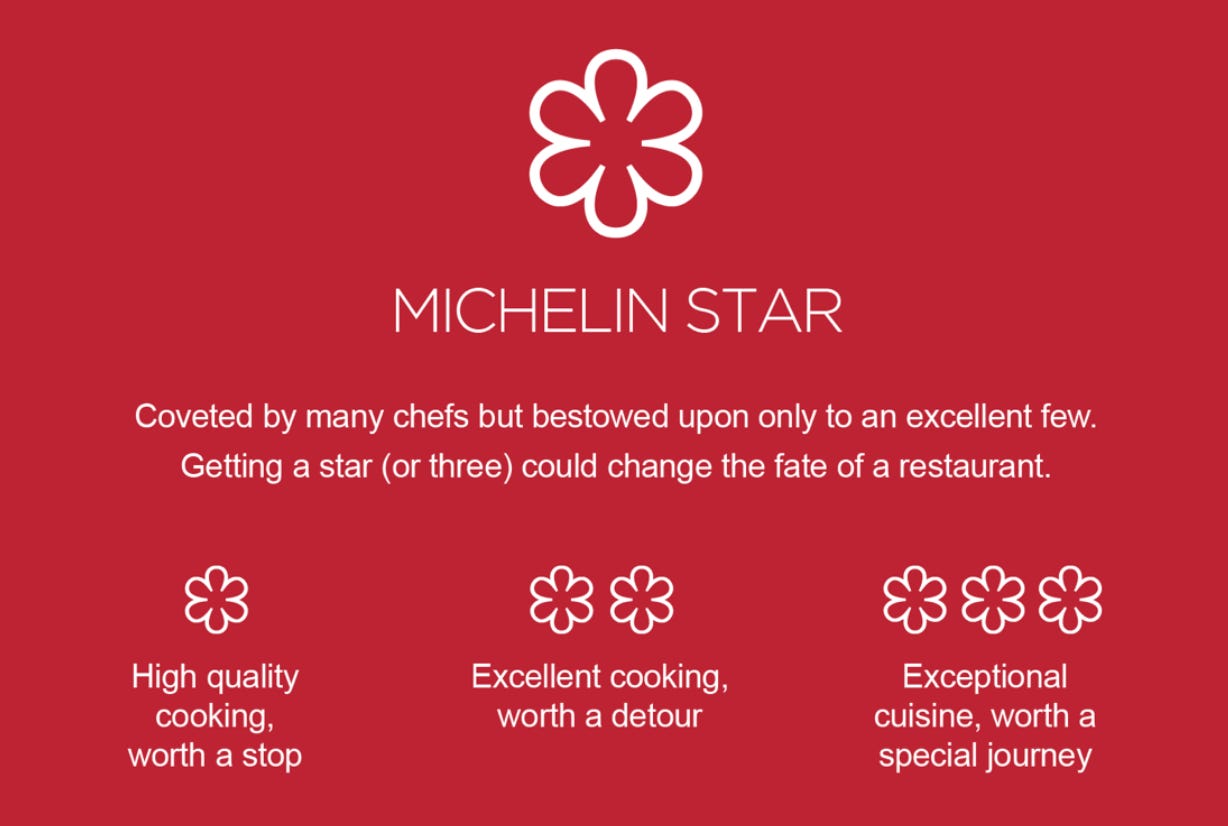
I’m not sure if Michelin has gotten full credit for their efforts here, but it’s such an interesting play when you make the connection. In 1900, tire company Michelin started publishing a guide to restaurants and hotels working off the theory that they would recommend restaurants and hotels so that people would drive to these places (and eventually need to buy tires).
The Michelin star now holds significant cultural relevance, and chefs actively try to get one (it’s a whole plot point in “The Bear”).
The Pattern
These companies are all functional brands with a specific product and a narrow understanding of their product from their customers. None of them changed what they sold, but they did change their narrative.
Companies that are stuck in a single brand association tend to reach for a roadmap of product updates, but I think the real solution is storytelling. Give people a reason to meet the brand somewhere else, give them the words to understand where you are trying to go.
The other thing all three of these cases share is time. Michelin’s guide took a long time to become culturally relevant. Real Beauty is more than a decade old (but the platform still works and is still used), and Small Business Saturday took years to stick. Narrative repositioning compounds and takes commitment, that’s just part of the process.
If you’re new here, I write a monthly serialized novel called Everything is Advertising, about a burned-out Creative Director and his cynical team that accidentally create QAnon through a viral marketing campaign. If you like that kind of thing, you can start at Part One and catch up from there.
Every Monday, Below the Fold talks through the stories behind the brands.
Every Friday, The Business of Advertising shares lessons from over a decade working on the front lines of advertising.
Michelin needs more credit!