

Six Things to Know This Week:
What Does a Looksmaxxer Smell Like?
Creed fragrances has been working to position itself as the scent of the looksmaxxing era. OOF. It’s “aspirational masculinity bottled and sold,” and it’s paired with a whole aesthetic. Abs from Equinox, designer loafers, poreless skin like a newborn baby. It’s also really about signaling income through their scent rather than taste (which becomes clear the more you smell and see it). MORE.
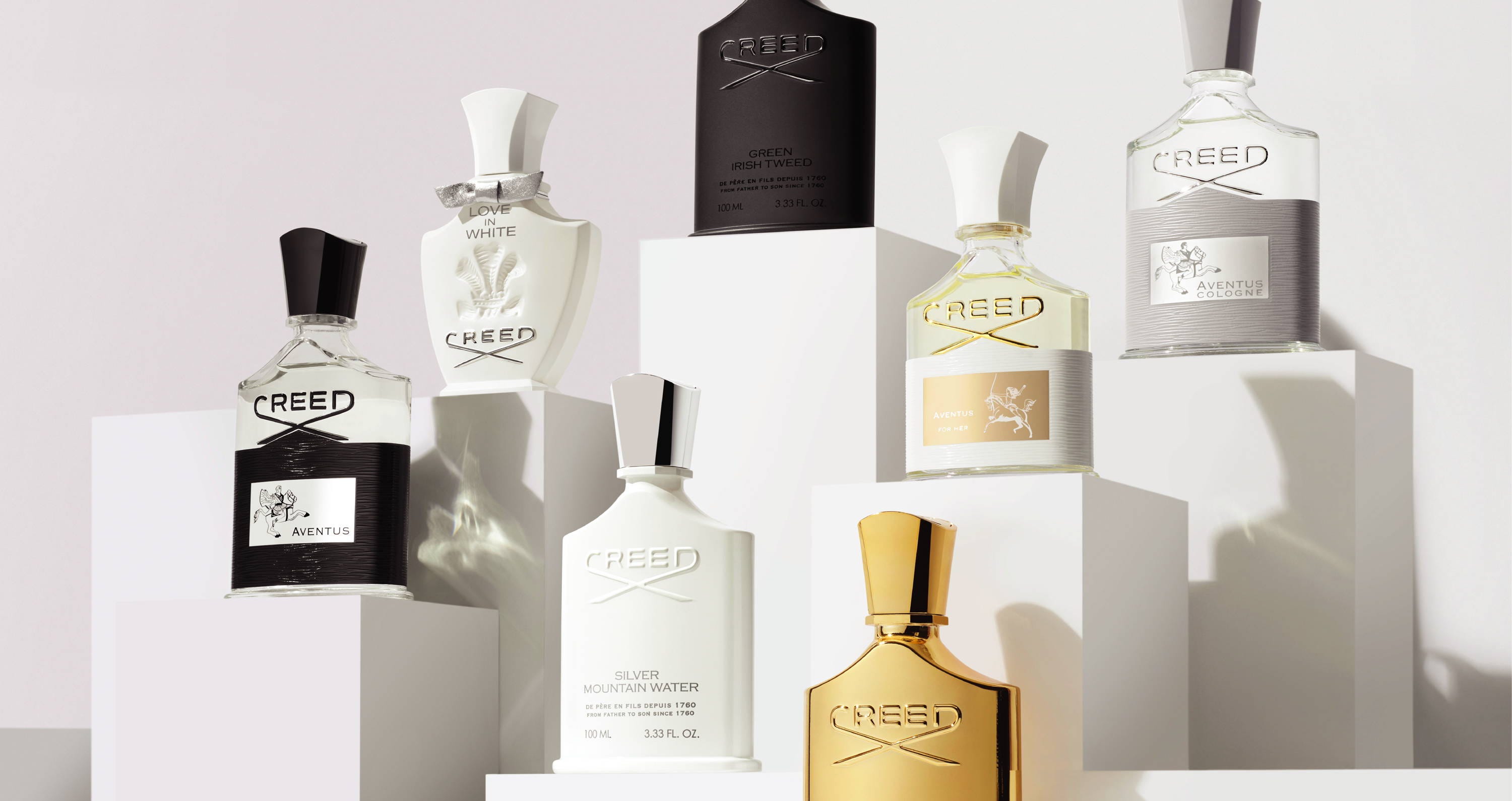
For the uninitiated, looksmaxxing started as a Reddit subculture. Pop a query into Google on mewing, bonesmashing, or canthal tilt analysis and you’ll get the gist. Creed Fragrance’s move into the space does show how the aspirational purchase has shifted from fashion to grooming to fragrance. Men aren’t just buying clothes to project status, they’re buying a scent.
The Brand Play: If your brand sells anything in the men’s grooming, fragrance, or personal care space, the looksmaxxing audience is your growth market. BUT, they don;t trust advertising and they don;t trust brands. They trust Reddit threads, people on YouTube doing reviews, and the guy who seems like he makes more money who works in the same office. The play here is seeding your product in the right places. Get the product into the hands of the micro-influencers in the self-improvement space.
Trevor Paglen Says Nothing is Real
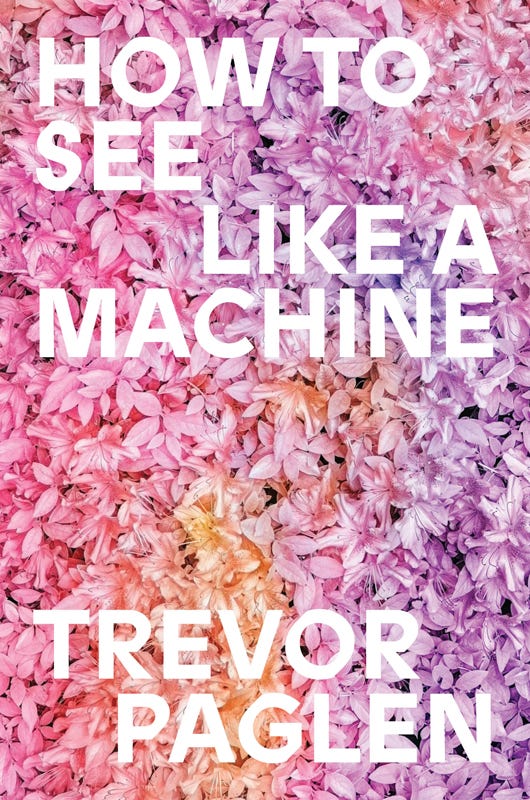
Dazed talked to artist and researched Trevor Paglen about his new book “How to See Like a Machine: Images After AI.” The main argument is that generative AI has created an “indexical flip.” Basically, a shift in people from assuming the images they see are real to assuming they’re fake. The book also looks at how propaganda, UFOs, and military deception programs shaped the visual tools now deployed in your feed every day. Paglen argues that AI-generated images aren’t true or false. They’re “statistical renderings in a state of superposition, optimized to mess with human minds.” MORE.
For brands, this is not an abstract philosophical problem. Consumer trust in visual content is collapsing. Stock photography looks AI-generated (even if it isn’t). AI-generated content sometimes looks real (even when it isn’t). The audiences on social are now suspicious as their default, and assume every image they see might be fake. If you go ahead and execute a beautiful photo series, your ROI won't be great if everyone thinks it was prompted by AI. The biggest takeaway in Paglen’s book is that the most valuable visual asset a brand can produce right now is one that looks too imperfect to have been generated (we’ll see how long that holds).
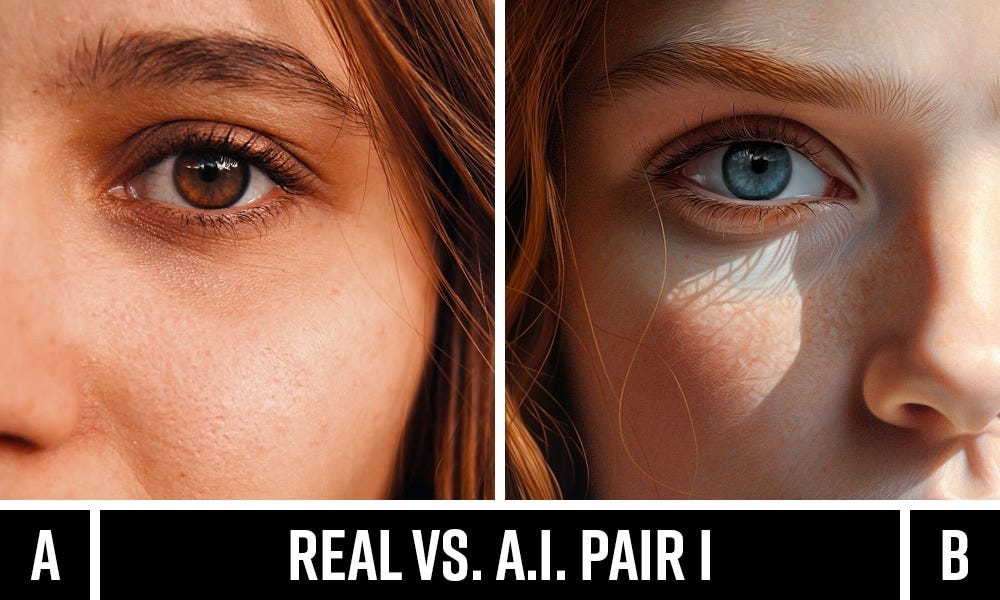
The Brand Play: Audit your visual content pipeline. If your product photography, social content, or campaign imagery could be mistaken for AI-generated work, that’s a problem. The brands that will win trust in the next two years are the ones that look demonstrably, verifiably human-made. Show the set, show the photographer, show the imperfect lighting, make the realness of the image part of the image.
Love Island is All Brand Integration
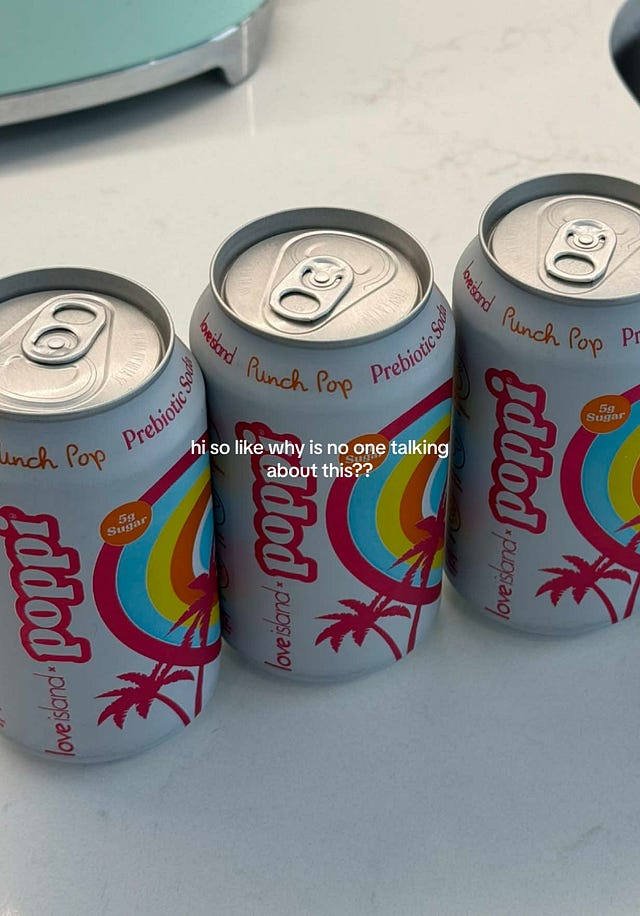
Love Island Season 8 started on June 2. They’re partnering with CeraVe, Coffee Mate, Maybelline, Motorola, and poppi.
Poppi’s deal is actually the first transatlantic brand partnership brokered by ITV’s new global licensing team (Studio 55), meaning the brand will show up on both Love Island US and UK.
 Tiktok failed to load.
Enable 3rd party cookies or use another browser
Peacock has also introduced shoppable Pause Ads that will make products shoppable at certain points.
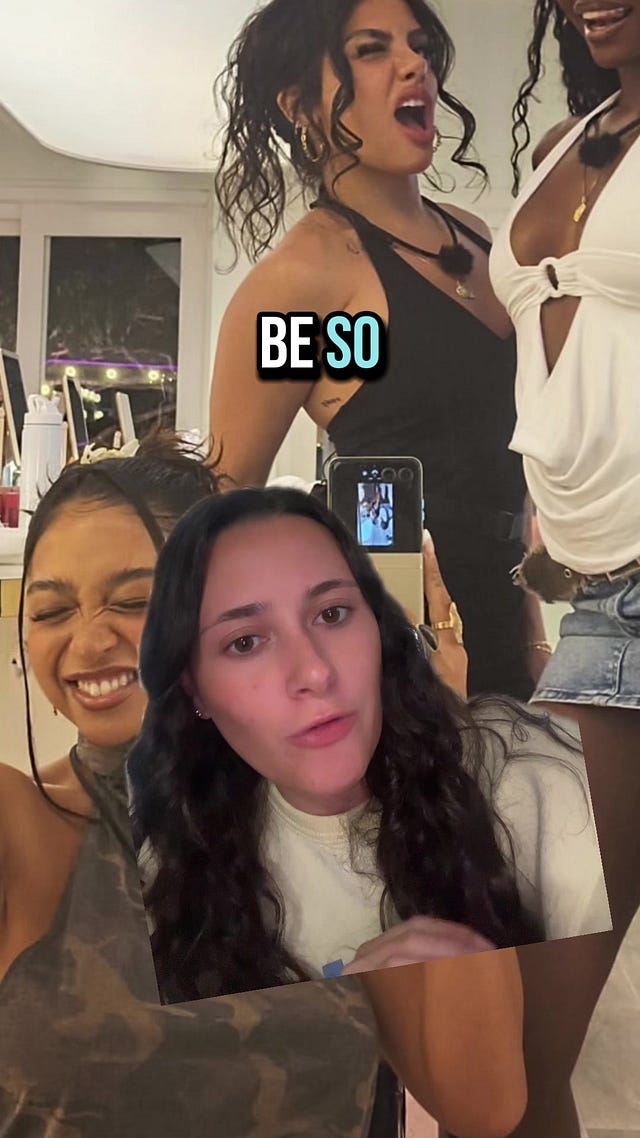
CeraVe is in the getting-ready scene.
Motorola delivers the “I’ve got a text!” moment that drives the plot.
 Tiktok failed to load.
Enable 3rd party cookies or use another browser
The show has eliminated the boundary between content and commercials. All the advertising is meant to be integrated and not break the flow. MORE.
The Brand Play: If your brand has a budget for a reality TV integration, this is a good format to steal. You have to find ways to make the product part of the brand’s mechanics.
Phoebe Bridgers Banned Phones at Her Tour
Phoebe announced her upcoming “Lost Tour” with the caveat that it would have a strict no phones policy. If you bring a phone, it will go in a Yondr pouch. Her warm up show at Madison Square Garden charged fans between $1 and $20 all based on a raffle, with proceeds going to the Community Justice Exchange’s Immigration Bond Freedom Fund. MORE.

I thought the whole point of going to a concert was to prove to your Instagram followers that you went (jk), but it looks like we’re splitting into two camps at this point. Attending to prove you were there or attending to be there. Maybe the lifecycle of the “curated for Instagram” event has finally reached the end.
The Brand Play: If your brand hosts events, activations, or pops-ups, this trend is worth considering. Test a phone-free activation this quarter. Looks like the data says you audience wants this, but might be embarassed to admit it. The goal would be driving organic word of mouth, with impact showing through on an NPS score.
READ THE ROOM:
The ceasefire between Iran and Israel collapsed this weekend and the US is striking across the Gulf
On June 7, after the IDF struck southern Beirut, Iran launched approximately 30 ballistic missiles at Israel, the first direct strike since the April ceasefire. Israel retaliated. The US intercepted Iranian missiles and drones near the Strait of Hormuz and struck Iranian coastal radar sites. On June 9, a US helicopter was downed near the Oman coast. Talks are reportedly continuing, but the ceasefire that held since early April is functionally over. MORE.
Brand Guidance: This is a live military conflict involving the United States. If you have scheduled social content that is lighthearted, celebratory, or attention-seeking, review it before it posts. The World Cup starts June 11 and the temptation will be to lean into that energy. Read the room before you do. A brand that posts a “let’s gooooo” soccer hype video while the country is watching missile footage will look exactly as tone-deaf as it is. That doesn’t mean go dark entirely. It just means lower the volume a bit.
Social Security just said your retirement fund runs out in 2032, a year earlier than they told you last time
The Social Security trustees released their annual report on June 9. The retirement trust fund is now projected to become insolvent by the end of 2032 (moved up from early 2033 in last year’s report). When it runs out, beneficiaries face an automatic 22% cut to monthly checks, roughly $500 per person on average. The report cites lower birth rates, reduced net immigration, and the 2025 tax cuts, which reduced income tax revenue on Social Security benefits, as the primary drivers. MORE.
Brand guidance: This story will land differently depending on your audience’s age. For brands targeting Millennials and Gen Z, this confirms what they already believe. They know the systems they were told to trust are not going to be there when they need them. For brands targeting older consumers, this is a source of real, immediate anxiety. Neither audience wants to hear from a brand about it. The recommendation is to leave it alone. If you sell financial products, your paid media and content calendar should already be addressing retirement anxiety year-round.
If you’re new here, I write a monthly serialized novel called Everything is Advertising, about a burned-out Creative Director and his cynical team that accidentally create QAnon through a viral marketing campaign. If you like that kind of thing, you can start at Part One and catch up from there.
Every Monday, Below the Fold talks through the stories behind the brands.
Every Friday, The Business of Advertising shares lessons from over a decade working on the front lines of advertising.