

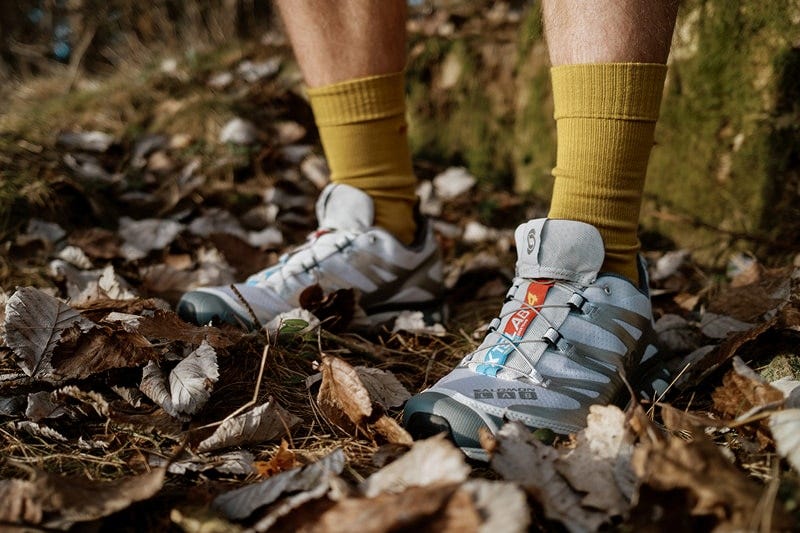
The Salomon XT-6 is priced at $180, and has a contragrip outsole rated for wet rock. It was also engineered specifically for ultra-marathon distances on alpine terrain. There is no streetwear collection from Salomon, and that might actually be why everyone wants their sneakers.
In 2013, Salomon released the XT-6 as a performance trail shoe for elite runners, people who were taking the shoe through 100-mile mountain passes. That was the Salomon customer, and they had reached them.
By 2023, Salomon’s sneaker sales crossed $1 billion. The XT-6 is on the shelves at Saks Fifth Avenue. The shoes are being traded on StockX (up by 202%) in a single year. But the shoe itself, that was mostly the same, still the same product, optimized for the ultra-runners.
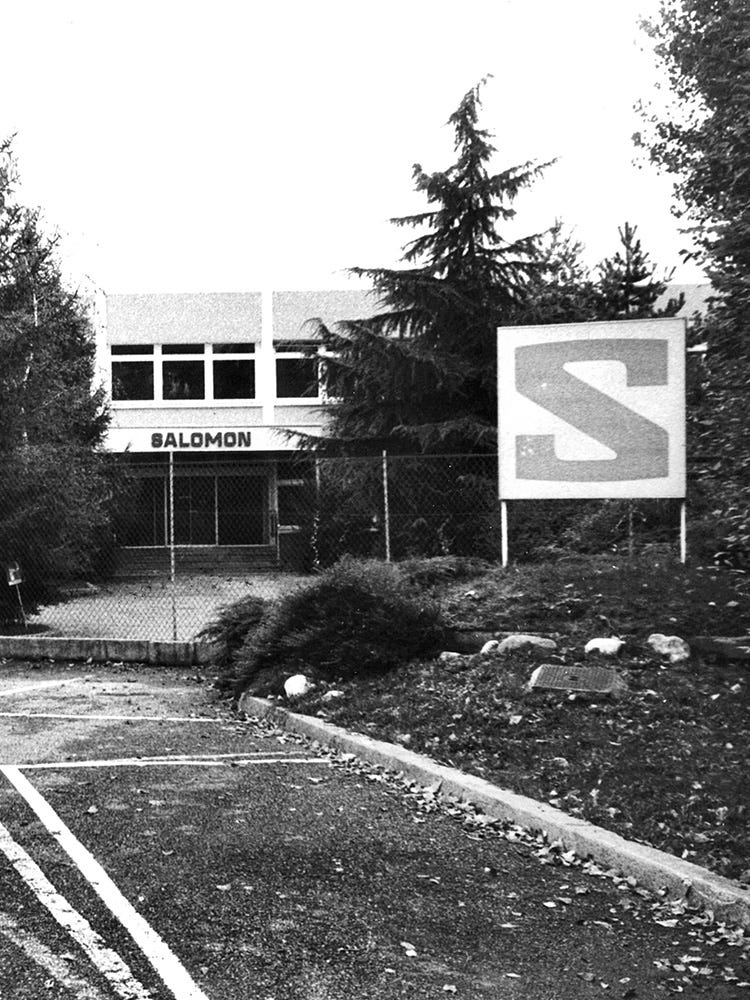
In 2016, Salomon hired Jean-Philippe Lalonde from Arc’teryx, and gave him three employees and a simple brief. In essence: Start a Sportsyle division. They had some small successful projects with a small Parisian concept store and a partnership with a Barcelona designer, but it was time to get bigger. Lalonde’s big concept was not to redesign the shoes, but to introduce new colors. The base product remained exactly the same (the XT-6 in black and white), but Lalonde added vanilla ice and lunar rock colors.
This same strategy was followed on other shoes. The base shoe with its strong ultra-marathon features had to remain the same, but small color changes or artistic details could be added. Comme de Garçons bolted a chunky platform to the XT-6 Expanse for its Fall/Winter 2024 runway. Sandy Liang, Salomon’s first female collaborator, released a capsule collection in warm tones. Palace, JJJJound, Kith, and Atmos all worked on collabs (with that same rule, the base show had to remain untouched).
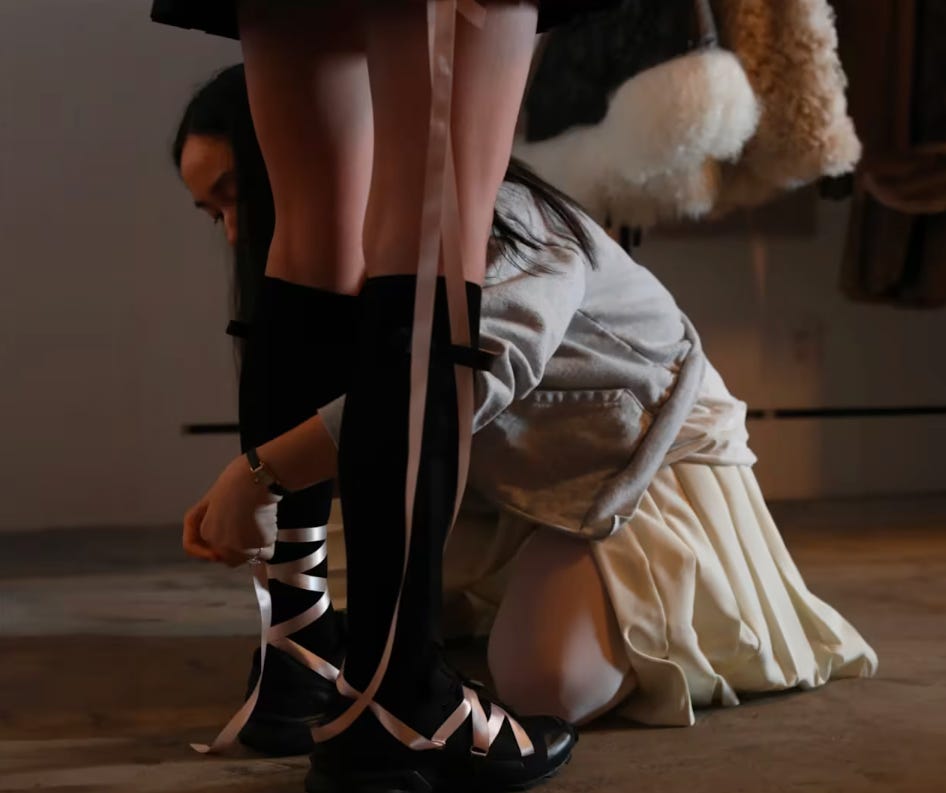
Over time, the different partnerships introduced Salomon to new audiences (streetwear, avant-garde fashion, outdoor lifestyle) that all found that the base shoe was actually just…a really good shoe.
Then things got even bigger when Rihanna wore a pair of Salomons to the Super Bowl.
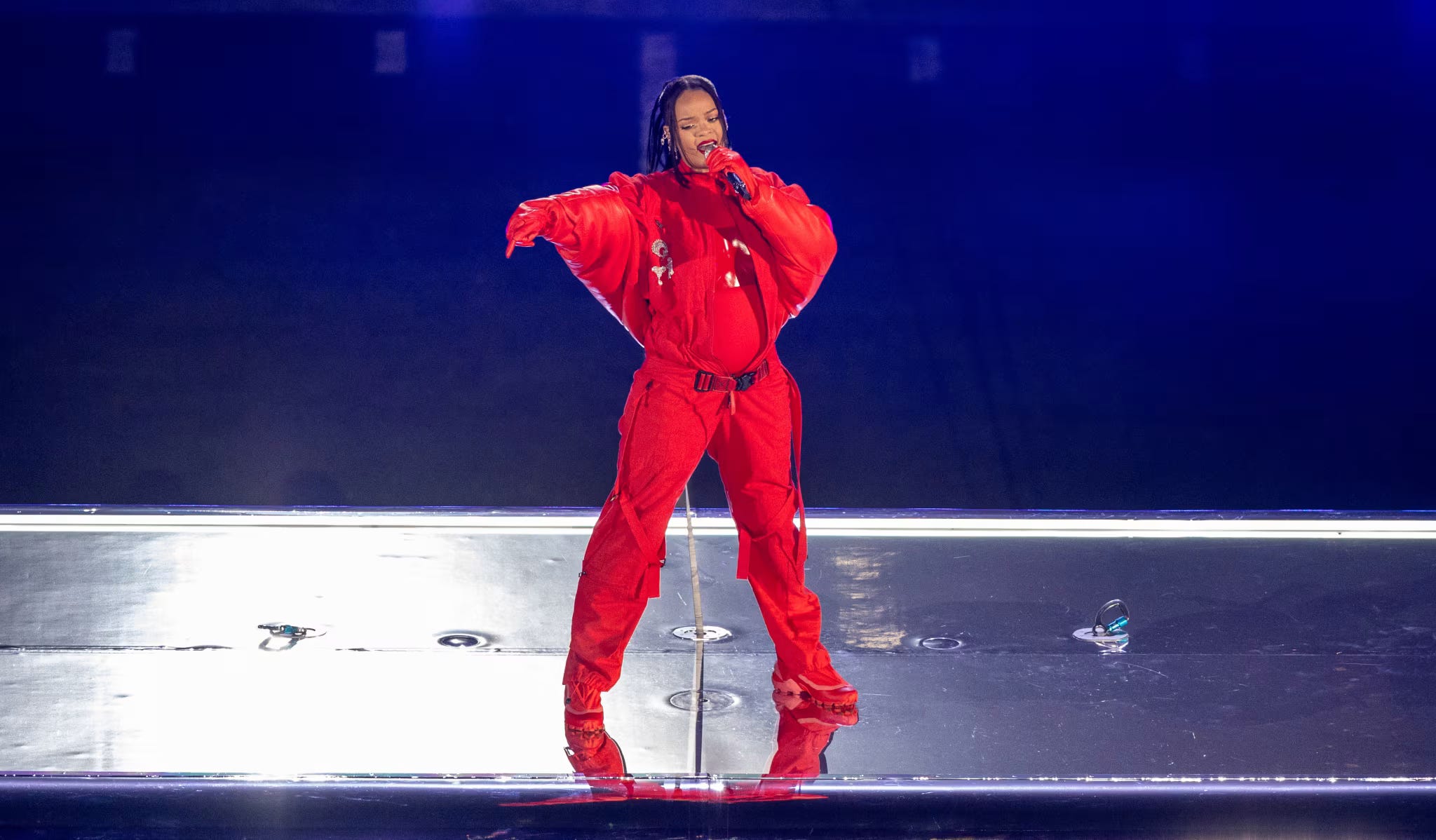
Rihanna performed in her all-red outfit that included a pair of MM6 Maison Margiela x Salomon Cross Lows, a $360 collaborative hiking runner that had been released the previous fall. Google searches spiked for the shoe overnight, and Salomon was not aware she would be wearing the shoes.
Salomon now owns a strong position that’s really hard to build. It’s a sneaker that doesn’t really need to prove itself. The XT-6’s lacing system and sole compound aren't aesthetic choices, they are engineering choices made for a specific customer in a specific context, but the gap between intention and adoption seems to have created a moat for the brand between them and their competitors.
Anyone who wants to swoop in and truly compete with Salomon would need a decade making real shoes for ultra-runners that nobody in fashion knows about, then wait for fashion to organically find them, then wait for the cool kids to organically adopt them. It’s definitely a hard-to-duplicate strategy.
If you’re new here, I write a monthly serialized novel called Everything is Advertising, about a burned-out Creative Director and his cynical team that accidentally create QAnon through a viral marketing campaign. If you like that kind of thing, you can start at Part One and catch up from there.
Every Monday, Below the Fold talks through the stories behind the brands.
Every Friday, The Business of Advertising shares lessons from over a decade working on the front lines of advertising.